Grammar: All about (X)
 Grammar: Which word to use (X)
https://www.theguardian.com/guardian-observer-style-guide-x
1.CORRECT USAGE
1.1. Similar words mean different things…

 Grammar: Which word to use (X)
https://www.theguardian.com/guardian-observer-style-guide-x
1.1. Similar words mean different things…
The ‘Starter Question’, posed to all the BLT participants around the table at the outset of the meeting helps to set the scene for the main topic.
First of all, what is “Customer service”?
“Customer service is the act of taking care of the customer’s needs by providing and delivering professional, helpful, high quality service and assistance before, during, and after the customer’s requirements are met.”
SOURCE: Study.com
Furthermore, Study.com suggest that characteristics of good customer service can be summarised by the 4 Ps:
The common theme around the table regarding “Excellent Customer Service” was that of ‘Personalisation’, which was deemed to be most effective in converting customers into advocates.
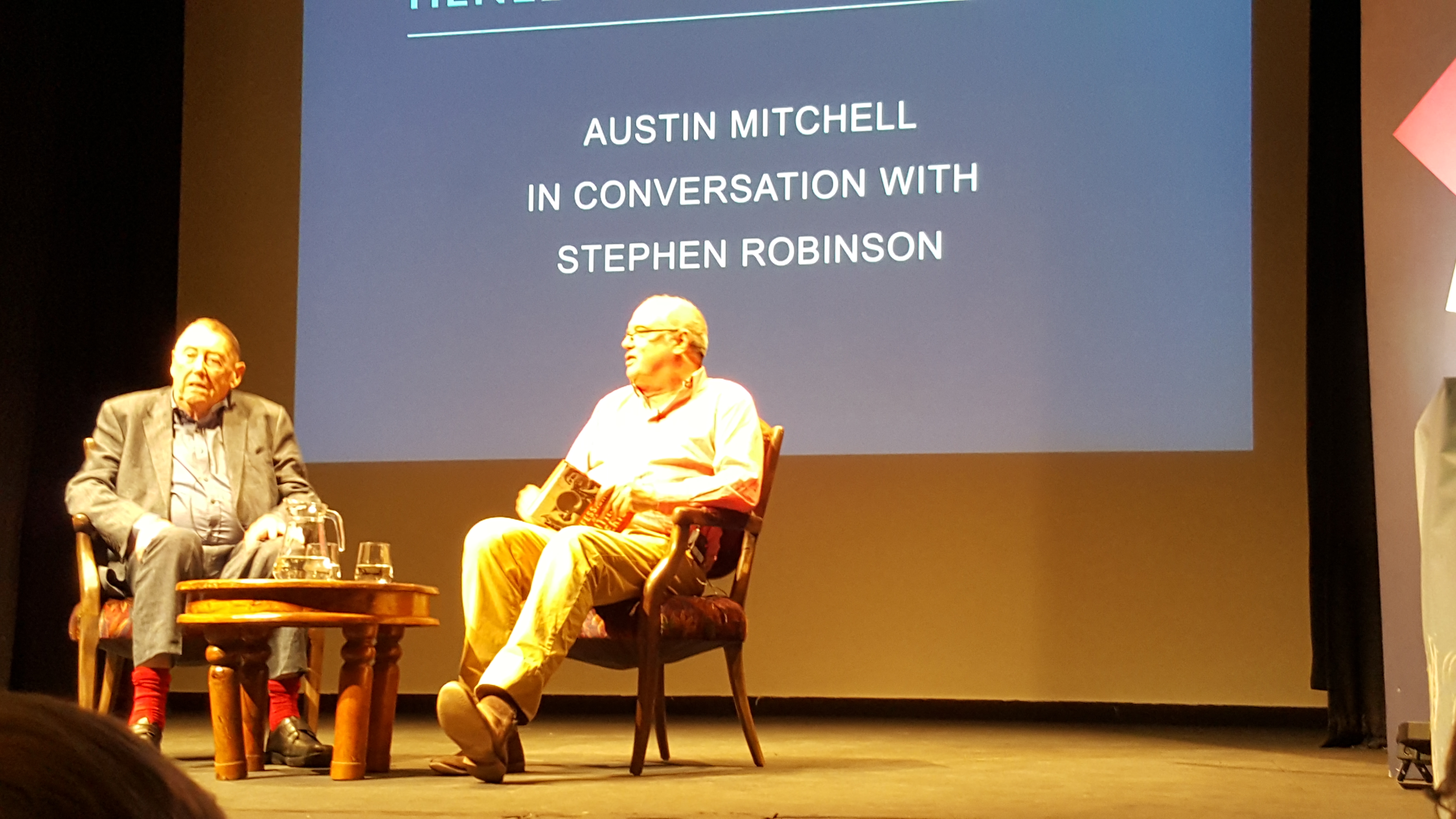
Two very different set-ups were at work here:
Both worked equally well…because the format was right for each talk…and because in each case the moderator was very effective.
To save time (and space!) I’ll bullet point the key highlights of each:
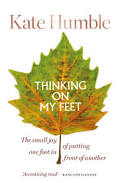
 Vaseem Khan, “The Unexpected Inheritance of Inspector Chopra”
 Jessica Fellowes, “The Mitford Murders”
[Note: there was another author present…but I can’t remember her name, nor can I find it on the internet – sorry!]
I had attended these River Readings on previous occasions (basically whenever I could get my hands on tickets!) and they had always been one of the highlights of the Festival for me.
These were the questions pondered at the latest BLT meeting.
The ‘Starter Question’, posed to all the BLT participants around the table to at the outset of the meeting, is frequently unrelated to the main topic…but today it wasn’t! Hence, it helped to set the scene nicely for the core issue of ‘Best Case Study’.
Responses – Who is your Ideal Client?
• Clients who are prepared to accept my advice.
• Those who value ‘good’ work.
• Clients who don’t know what they want so they can allow themselves to be helped (coaching).
ALTERNATIVELY
• Clients who do know what they want so they can instruct me properly!(copywriting)
http://www.dozenalsociety.org.uk
The Dozenal Society of Great Britain advocates that we count in 12s rather than 10s (i.e. in base 12) since 12 is divisible by many more factors and this would be more efficient for day-to-day living.
How?
Why?
The dozenal movement began in the 17th century when mathematicians began to question the appropriateness of a number system based on something as arbitrary as the fact that we have ten fingers.
Celebrated advocates included Issac Pittman, who invented the system of shorthand still in use today.
 Grammar: Which word to use (W)
https://www.theguardian.com/guardian-observer-style-guide-w
waiver or waver?
To waive is to relinquish a claim or right. The associated noun is waiver, which can lead to confusion with waver, meaning to hesitate (or a person waving).
weave (fabric) or weave (from side to side)
weave (fabric) past tense wove, past participle woven, as in “Obama’s speech was woven throughout with the language of the US constitution”.
weave (from side to side) past tense weaved, past participle weaved, as in “the politician dodged and weaved”.
 Grammar: Which word to use (V)
https://www.theguardian.com/guardian-observer-style-guide-v
venal or venial
venal open to bribery; venial easily forgiven
venerable
worthy of reverence, not just old.
verdicts
recorded by coroners, returned by inquest juries.
virus
not the same as a bacterium, but we often confuse the two.
v for versus, not vs: England v Australia, Rochdale v Sheffield Wednesday, etc.
vice-chair, vice-chancellor, vice-president
vis-a-vis
voiceover
venetian blind
vice versa
After the Norman Conquest of 1066 (remember William the Conquerer?), Anglo-Norman (old French) became the language of the elite in the UK. For the next 300 years or so, this was the language which the British elite used to distinguish itself from rest of the general populace.
Hence why you still come across a vast amount of of French words in current usage when you talk about luxury, food or boring things like the law.
As already noted, food and cooking terms remain heavily influenced by French, especially those terms which have become anglicised over the years.
Source: Techopedia
Create a unified voice – this is important when there are multiple writers, each of whom may have a different way of presenting something; e.g. dates – could be expressed as Sep-18, September 2018, 14/9/18…etc.
Branding for the event and its sponsors – when an event has a number of sponsors, it’s important to ensure those names are written out correctly, especially as they will be promoted across a range of different medium, including the sponsor’s own website…therefore mis-spellings are not an option!
Improve efficiency
 Grammar: Which word to use (U)
https://www.theguardian.com/guardian-observer-style-guide-u
uninterested or disinterested?
uninterested means not taking an interest; not synonymous with disinterested, which means unbiased, objective.
unique
uninterested one of a kind, so cannot be qualified as “absolutely unique”, “very unique”, etc.
until
not “up until”.
used
He used to do something, not he did use to do something and certainly not he did used to do something (double imperfect); eg “High street shops did, it’s true, used to be more varied” – would read better as “High street shops certainly used to be more varied”.

 Five tips for successful networking groupsDecember 12, 2023 - 3:02 pm
 Case Study: Silk Art websiteFebruary 27, 2023 - 8:08 pm

Website by WHD Solutions