
BLT: Stress – is it far more prevalent nowadays, or are we just more aware?
Stress: “A state of mental or emotional strain or tension resulting from adverse or demanding circumstances.”
Thoughts from around the BLT table on signs of stress:
• Anxiousness
• Inability to get out of bed
• Not having an answer
• Lack of control
• Anything that challenges your financial security
Three alternative ways of looking at stress
1. Good v bad stress
GOOD: “Stress isn’t always bad… a little bit of stress can help you stay focused, energetic, and able to meet new challenges in the workplace. It’s what keeps you on your toes during a presentation or alert to prevent accidents or costly mistakes.”
NOT SO GOOD: “In today’s hectic world, the workplace too often seems like an emotional roller coaster… long hours, tight deadlines, and ever-increasing demands can leave you feeling worried, drained, and overwhelmed. And when stress exceeds your ability to cope, it stops being helpful and starts causing damage to your mind and body—as well as to your job satisfaction.”
Source: https://www.helpguide.org/articles/stress/stress-in-the-workplace.htm
2. Personal v Work
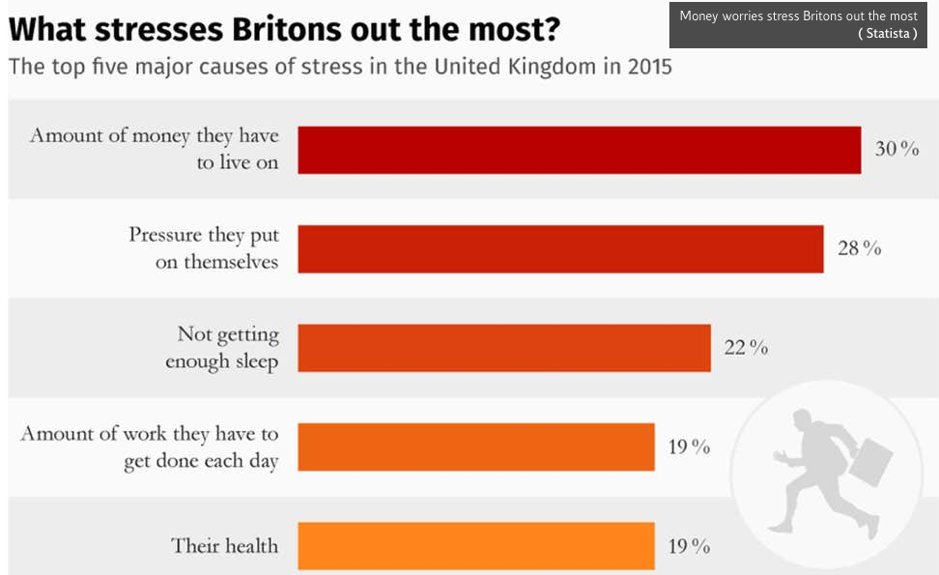
Top causes of personal stress in the UK:
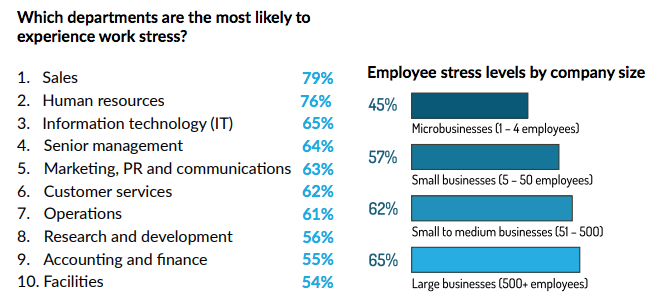
Most stressful roles in the workplace in the UK:
3. Old v Young attitude to stress
Is the modern generation less resilient to stress than the older generation…or did we just used to be oblivious to the symptoms and dangers of stress?
The ‘snowflake generation’ is the (derogatory) term often used to describe today’s youngsters. In fact, it was Collins Dictionary’s Word of the Year as recently as 2016, implying “an inflated sense of uniqueness, an unwarranted sense of entitlement, or are overly-emotional, easily offended, and unable to deal with opposing opinions.”
Thoughts from around the BLT table:
- Yes – youngsters taking professional exams whilst working will often cite stress as a reason for not being able to undertake their day job…but it’s part & parcel of the role and you just have to deal with it.
- Maybe – it’s all about standards & values; you set your own standards and this will differ from person to person.
- No – youngsters today have a unique set of online pressures that we were not subject to in our day.
Conclusion
“Facebook only shows the smiles”
For all its benefits, there is a danger of being overwhelmed by social media and its ‘snapshots of perfection’ – after all, nobody broadcasts their failures, do they?
Coping mechanisms suggested from around the BLT table:
• Make lists – this reasserts the feeling of control and order
• Undertake exercise – it’s a distraction and clears out your stress hormones
• Control the controllables – only focus upon what you can control


Leave a Reply
Want to join the discussion?Feel free to contribute!