
Solvitas perambulum
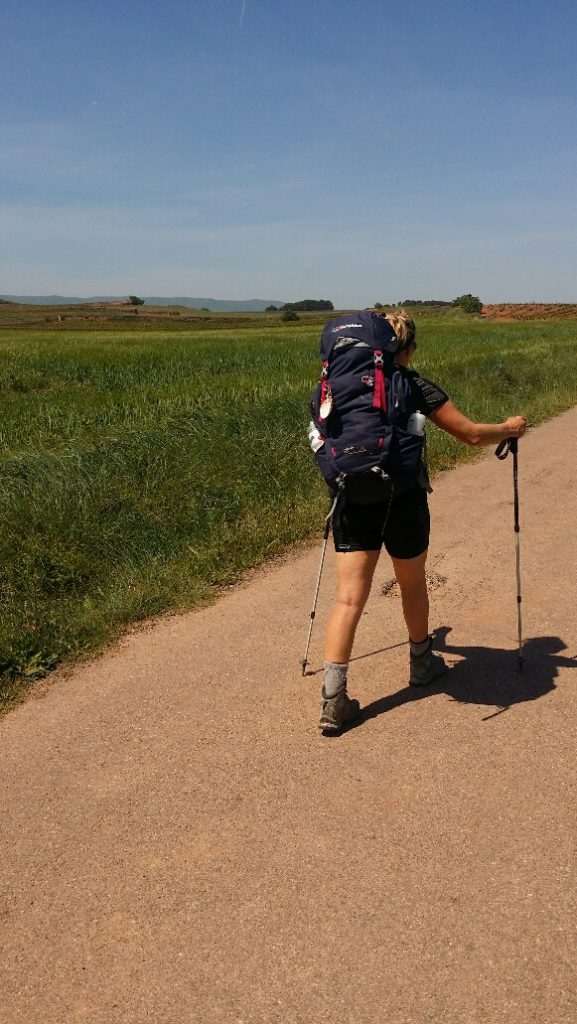
Solvitas perambulum: Solve it whilst you walk
Canny bunch eh, the Romans?
Since then, over the past couple of thousand years, science has sought to prove this theory, but has generally come up short:
- Physical exertion claims resources from our brains leaving us more dependent on our subconscious….BUT, this has never been scientifically proven
- Being outside in nature stimulates thinking….BUT, when subjects were asked to walk on a treadmill facing a blank wall, their creativity still improved
“All truly great thoughts are conceived by walking.”
– Friedrich Nietzsche
However, a recent research study (*) managed to shed some more light on the issue, concluding that:
- Walking does benefit creative thinking and brainstorming
BUT
- Walking does not have a positive effect on the kind of focused thinking required for single, correct answers.
Creative Pause – getting out of your own way.
The thinking man’s philosopher, Edward de Bono, called it ‘creative pause’; i.e. the state of mind which limits our conscious thinking whilst allowing our unrestricted, deeper thoughts to flow.
Put simply, the brain cannot make the connections required to generate new ideas whilst it is focusing its cognitive attention on one particular task or problem.
Camino Energy
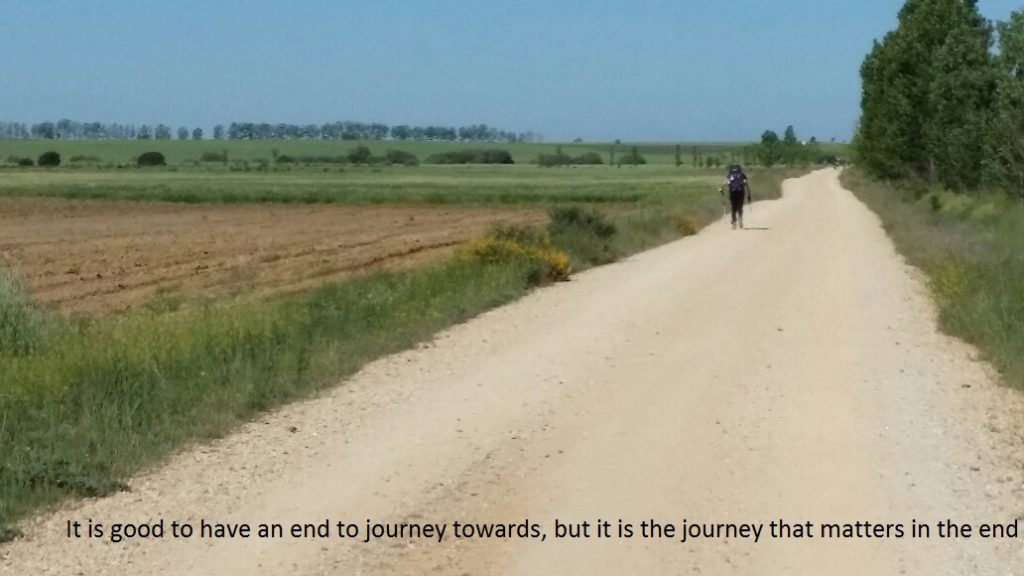
I guess I’m somewhat of a convert to ‘solvitas perambulum’ , having undertaken a couple of long-distance walks over the past couple of years, namely the Camino Frances (900km) and Camino Portuguese (600km), which are pilgrimages to Santiago de Compostella in north-western Spain.
I won’t dwell on the details of walks themselves here (although visit our blog website if you’d like to read or find out more), but I can attest to the vast array of thoughts, ideas, and sense of possibilities that sprang from these walks.
So, as the Romans used to say, if you’re stuck for inspiration, or bogged down with a weighty problem, the answer is simply to remove yourself physically from the source of the problem and let your feet do the thinking!
(*) Oppezzo and Schwartz: Journal of Experimental Psychology: Learning, Memory and Cognition, 2014




Leave a Reply
Want to join the discussion?Feel free to contribute!