
Political – JK Rowling, Fantastic Beasts and the rise of Nationalism
Nationalism is on the march across the Western world, feeding upon the terrors it seeks to inflame
-J K Rowling, ‘On Monsters, Villains, and the EU Referendum’
Nationalism in children’s fiction
Yup, those are the words of the very same author who was only recently writing about Hufflepuffs, Muggles, and Golden Snitches.
It shouldn’t come as a great surprise though – all great childrens’ books, at some point, deal with death, danger, the darker side of life, albeit usually hidden under a more palatable veneer for younger readers. For example:
- C S Lewis – Lion, Witch & Wardrobe (tyranny, religion)
- Frank Baum – The Wizard of Oz (politics, facing up to character flaws & self-development)
- Roald Dahl – Matilda (violence, abuse of authority)
When questioned upon her reasons for writing the film ‘Fantastic Beasts and where to find them’, J K Rowling was quoted as saying:
I was definitely drawing on what I found was the rise of populism politics and a desire to smash the status quo…
Identifying nationalism
Every nationalist will tell you that their nationalism is different….yet every academic study of nationalism has revealed the same key features
The key features of nationalism are:
- Remembering a golden past when ‘things used to be so much better’
- Simplistic slogans, usually promising power, victory, and purification
- Control over territory; i.e. the sense of a homeland
- Autonomy for the nation
- Us v them – nationalism feeds off internal fragmentation and instability
- A commitment to winning at all costs, with power-seeking and superiority overshadowing morality, mutual benefit, or long-term stability when it comes to foreign policy
- The greater good – a leader with a nationalist mandate will feel entitled to breaking the laws of his/her own country, the ‘ends justifying the means’
- Intolerance of external criticism with those presenting opposing views hounded and characterised as unpatriotic
J K Rowling’s treatment of nationalism in 1920’s New York
Hence, a children’s film with beguiling special effects can be viewed on a deeper level, portraying the potentially catastrophic consequences of divisive rhetoric:
- A populist but dangerous authority figure – the new wizard, Gellert Grindewald is a far more subtle, but no less dangerous, villain than his predecessor Voldemort (or successor if you want to keep your timelines intact!). He is more like a modern-day politician, who attempts to win the people’s hearts and minds, but with dangerous values behind the smooth rhetoric.
- Immigration – both muggles and magic folk alike are setting up businesses and looking to prosper in New York….to the consternation of the locals.
- Divisive posters – calling for the 2nd Salem Witch Trials, in an effort to raise mobs to ‘out’ the magic folk.
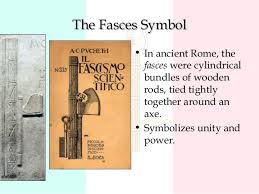
- Fascist symbolism – one of the nationalist motifs is a bound bundle of elm rods; this was originally a Roman symbol, adopted by the Italian National Fascist Party symbol for its motif of strength through unity (Latin, plural of fascis ‘bundle’= origin of the word fascist)
The irony that this battle should take place beneath the shadow of one of the most enduring global symbols of of tolerance, The Statue of Liberty should not be lost on the casual observer.
Give me your tired, your poor, your huddled masses yearning to breathe free, the wretched refuse of your teeming shore. Send these, the homeless, tempest-tossed to me, I lift my lamp beside the golden door!



Leave a Reply
Want to join the discussion?Feel free to contribute!